The Israeli Foundation for Democracy
The Israeli Foundation for Democracy is a philanthropic and operational foundation that funds, supports, and connects initiatives to channel civic power and public-sector professionalism into structural reforms that strengthen the democratic "rules of the game" in Israel - on the ground, in policy, and through the training of change agents.
About
We identify, support, and connect ventures and organizations - established and emerging - that operate on two complementary planes: bottom-up civic engagement, grassroots activity, and cultivation of change agents; and top-down policy, public awareness, knowledge infrastructure, and leadership. Connecting these planes creates coordination and synergy that translates civic energy into institutional change.
We do not focus on symptoms, but on laying long-term foundations: clear rules of the game, decentralization of power, transparency and accountability, and mechanisms that enable citizens to influence public life on a daily basis.
Our Method:Three Complementary Action Tracks
To enable effective and sustained structural reform, the Foundation works across three complementary tracks that strengthen the public, political, and professional feasibility of implementing structural reforms:
Building Broad Public Awareness and Civic Engagement
The Foundation identifies and supports grassroots initiatives that provide citizens with practical tools and platforms for participation, enabling them to influence decision-making processes at the local and national levels. In parallel, the Foundation strengthens awareness of the importance of civic engagement and the need for structural reforms in governance that create institutional and permanent pathways for citizen influence: decentralization of authority, strengthening local and regional government, and rules of the game that embed accountability and public participation. Connecting on-the-ground tools with institutional change is meant to turn civic engagement from an "event" into an everyday infrastructure of Israeli democracy.
Advancing Policy and Legislation
The Foundation identifies and supports initiatives that translate public demand for structural reforms into feasible policy and legislative proposals. These initiatives work to base reforms on knowledge, accumulated experience, and international comparisons; to formulate practical alternatives; and to drive change processes through the Knesset, the government, and local authorities. The goal is to transform democratic principles - decentralization of power, transparency and accountability, and stable rules of the game - into steps that can be adopted, implemented, and measured.
Training and Networks of Change Agents Within the System
The Foundation identifies and supports initiatives that train and connect change agents within the system: elected officials, public servants, and leaders in municipal, governmental, and social arenas. These initiatives build a professionally grounded and values-driven network and a practical toolbox that enables graduates to lead change from within the system - in legislation, regulation, and implementation - in partnership with civil society.
Across all tracks, the Foundation operates on the basis of research, insight, and innovation as cross-cutting principles: developing knowledge infrastructures and impact metrics; using data; and continuous learning and evaluation, to ensure work is current, effective, and measurable. Finally, the Foundation assumes an integrative, convening role: connecting partners, coordinating efforts, and fostering cross-pollination among initiatives operating in one or more tracks - so that their work weaves into cumulative impact that delivers real, sustainable structural change.
Background
In recent years, Israeli democracy has been in a deep and prolonged crisis: the principle of separation of powers and the checks and balances on the executive branch are under pressure; efforts to concentrate power in the hands of political actors intensify the sense of division and polarization; and public discourse has become saturated with delegitimization and intimidation.
The current crisis reflects structural failures that have not been adequately addressed for decades. These are not problems created by a specific leader or government, but rather problems of the rules of the game and institutional structures: in the absence of a constitution - and without sufficient constitutional entrenchment - any narrow majority can implement far-reaching change without broad consensus; excessive centralization leaves too many decisions at the national level and weakens local implementation capacity; and the representation mechanism incentivizes identity-based party politics at the expense of reaching agreements on core civic issues. This is evident in everyday life: from essential reforms that remain stuck because they depend on zero-sum politics among ministers in Jerusalem, to hiring teachers or increasing the frequency of bus lines that require national-level approvals. The result is a sense of powerlessness, fatigue, and passivity; a leakage of talent; and harm to social and economic stability. At the same time, Israel has significant democratic assets: a strong and diverse civil society; broad civic activity against moves perceived as harming democracy; relatively free media; and "islands" of independence and impact in academia, high-tech, local government, and civic entrepreneurship. The Foundation was established to translate that power into durable, sustainable structural reforms.
The Foundation's Goal
The Foundation's goal is to create the practical conditions for structural reforms in Israel's system of governance and public administration by supporting and connecting civic engagement, public-sector professionalism, and democratic leadership.
The Foundation supports, accompanies, and connects social-civic initiatives and public bodies working toward this goal, through resource allocation, partnerships, and professional support. In doing so, it contributes to cumulative change, strengthening resilient democratic institutions and enabling decentralized, transparent, and effective governance. This approach provides both professional and values-based responses to foundational challenges in Israeli democracy. The Foundation operates in a non-partisan manner, across political camps, and is grounded in research, data, and ongoing evaluation.
APPLICATIONS CLOSED
2026 Grant Cycle
Thank you to all the organizations and initiatives that submitted applications. We wish you the best of luck in the next stage of the process
The Foundation provides grants and a professional support package for initiatives that strengthen the feasibility of enacting structural reforms that will reinforce Israeli democracy - particularly initiatives that translate public demand and citizen influence tools into policy change and reforms to the rules of the game.
For more information:
Office@il-found.org
Application stages
1
Feb 19, 2026 - March 31, 2026
Online submission
2
April 2026
Initial introductory calls
3
April - May 2026
In-depth interviews and completion of materials
4
May 2026
Grants Committee
- Applications that meet the eligibility requirements will be evaluated based on defined criteria.
- Applications will be forwarded for approval by the Grants Committee according to the weighted score, taking into account the program's readiness for implementation.
- Applications that receive a relatively low weighted score - even if above the minimum passing threshold - may be rejected due to the budget cap defined for the Call for Proposals.
Want to stay updated about future opportunities?
Join our mailing list and follow the Foundation’s work to hear about future opportunities.
Join our mailing listFoundation Team
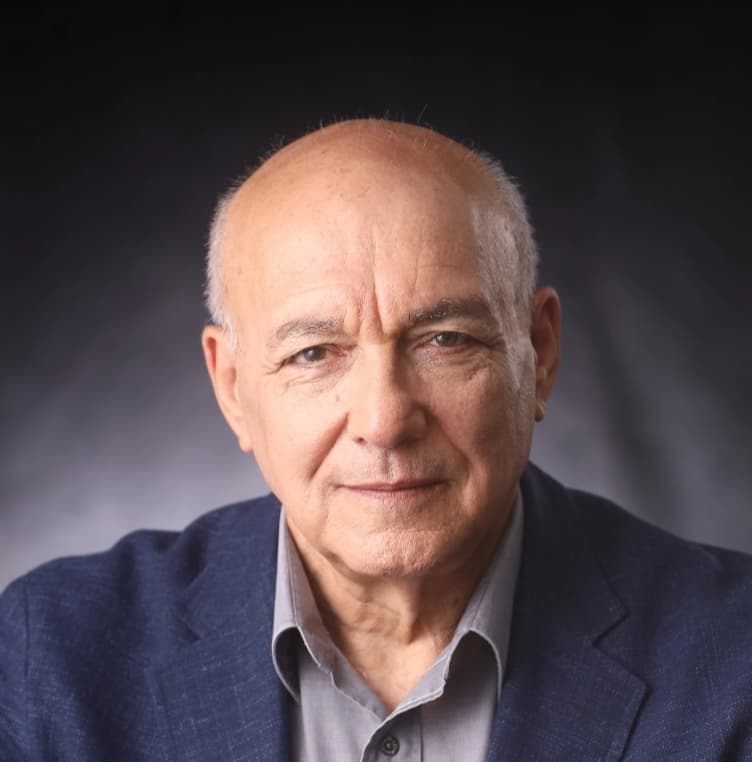
Boaz Amitai
Chair of the Foundation

Nati Birman Ma-Noim
CEO

Michal Gross
Chief of Staff
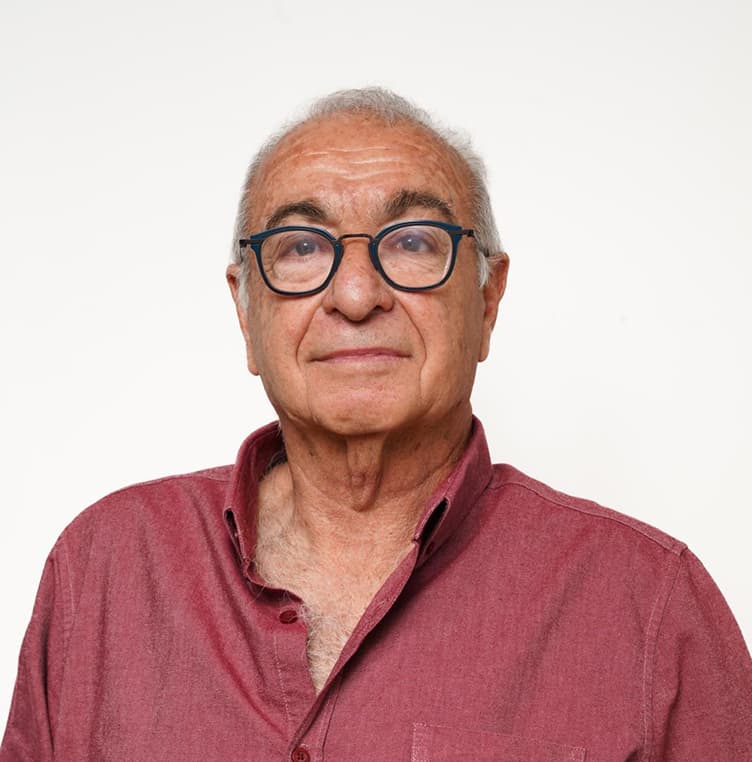
Tzvika Rak
Board Member

Tzipi Amitai
Grants Committee Member

Israel Prize Laureate Prof. Micha Popper
Grants Committee Member
Dr. Nimrod Amitai
Grants Committee Member